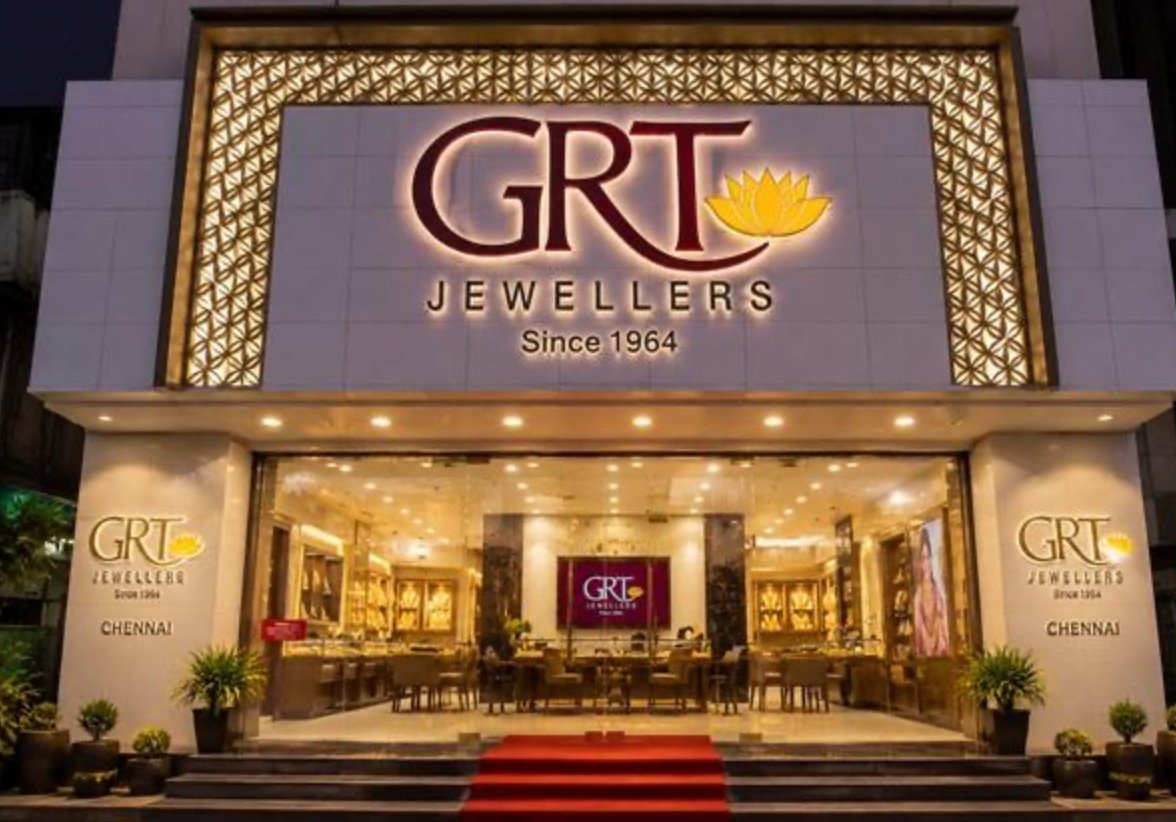
From a modest jewellery shop in Chennai to one of South India’s established jewellery retail groups, the story of GRT Thanga Maaligai is a remarkable journey of entrepreneurship, family heritage, craftsmanship and customer trust.
In India’s jewellery industry, some names become more than retail destinations. They become part of family traditions, wedding celebrations and generations of memories.
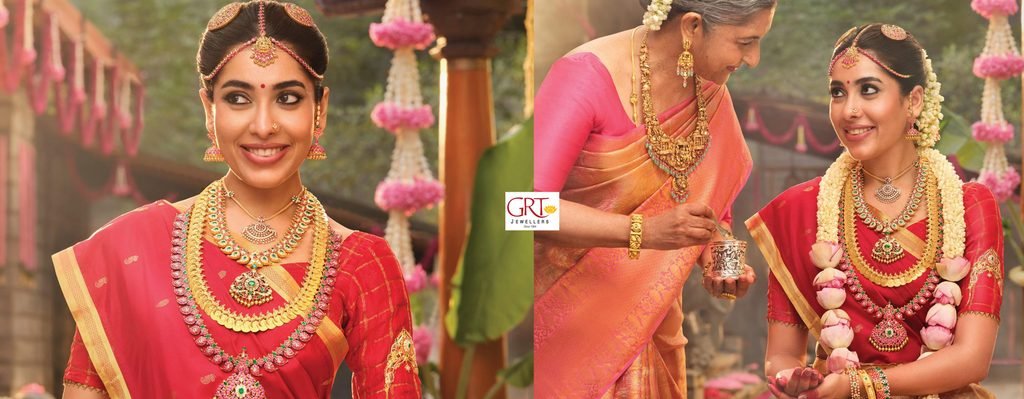
GRT Thanga Maaligai is one such name.
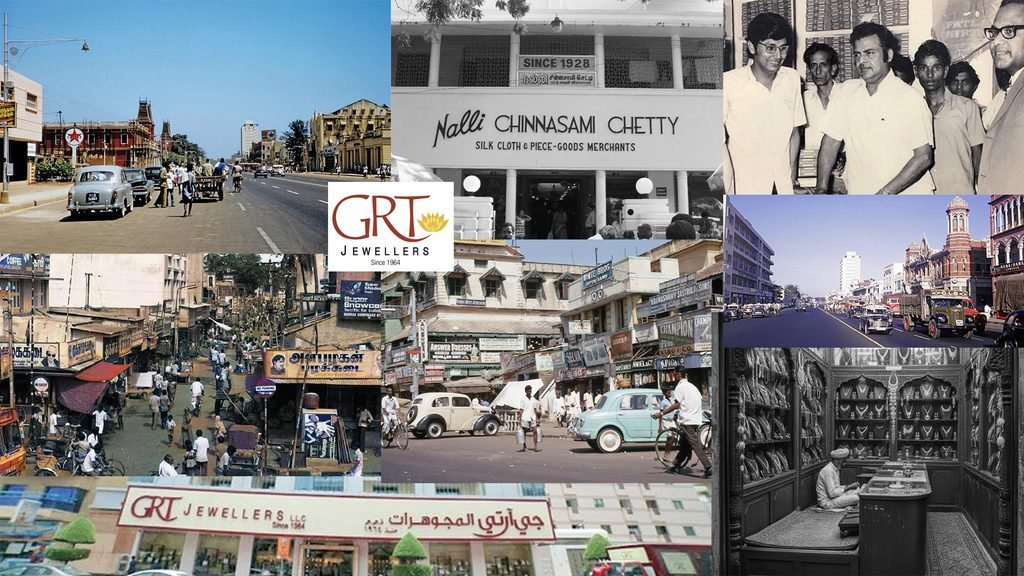
Founded in 1964 by Shri G. Rajendran in Madras (now Chennai), GRT Jewellers has developed into a prominent jewellery business with a strong presence in South India and an international showroom in Singapore.
Its journey reflects how a traditional family jewellery enterprise can evolve through changing generations, customer expectations, modern retail practices and business diversification.
This is the story of GRT – a golden legacy spanning more than six decades.
The beginning of GRT – A vision born in 1964
The GRT story began in 1964 in Madras.
Its founder, Shri G. Rajendran, came from a family of goldsmiths in Kumbakonam. According to the GRT Hotels account of the group’s history, he was a banker before taking the entrepreneurial step of establishing a jewellery shop in T. Nagar, Chennai.
At that time, gold jewellery occupied a special place in South Indian culture.
Gold was not simply an ornament. It represented:
- Family wealth and financial security.
- Marriage traditions and bridal celebrations.
- Heritage passed from one generation to another.
- Religious ceremonies and auspicious occasions.
- Personal milestones and family achievements.
Rajendran recognised the importance of these traditions and built his business around jewellery, quality and customer relationships.
The original business was known as G.R. Thanga Maaligai.
The name has a distinctive meaning:
- G.R. – G. Rajendran.
- Thanga – Gold in Tamil.
- Maaligai – Palace or mansion.
The name GRT gradually became familiar to jewellery customers across South India.
The establishment in 1964 marked the beginning of a business that would grow into a multi-generational enterprise.
2. The founder – Shri G. Rajendran
Every successful business has a story of leadership behind it. For GRT, that story begins with G. Rajendran.
His decision to move from banking into jewellery retail was an important entrepreneurial turning point.
Coming from a family associated with goldsmithing, he understood the importance of gold and jewellery in Indian society.
His vision was to develop a jewellery business that customers could trust for their most important family occasions.
His entrepreneurial philosophy centred on:
Customer confidence: Developing long-term relationships with jewellery buyers.
Quality and purity: Establishing credibility in the sale of valuable gold ornaments.
Traditional craftsmanship: Maintaining a connection with South Indian jewellery traditions.
Business continuity: Building an enterprise that could be carried forward by the next generation.
Over the decades, the business developed from its Chennai origins into a recognised South Indian jewellery brand.
The founder’s contribution remains central to the GRT story.
One of the most important chapters in GRT’s development is the involvement of the founder’s sons.
3. The next generation – Continuing the family legacy
The next generation of leadership includes:
G.R. Ananthapadmanabhan (G.R. Anand)
He joined the jewellery business following his father’s footsteps. His educational background includes gemology studies at the Gemological Institute of America (GIA) and an Owner/President Management programme at Harvard.
G.R. Radhakrishnan
He has also played an important role in the group’s development and leadership.
Both sons are identified by GRT as the current Managing Directors.
Their leadership has helped carry the business into a new era of retail expansion, product development and organisational growth.
The generational transition represents an important lesson in family business: preserving the founding values while adapting to the demands of a changing marketplace. GRT Jewellers Private Limited
4. Building a strong jewellery retail network
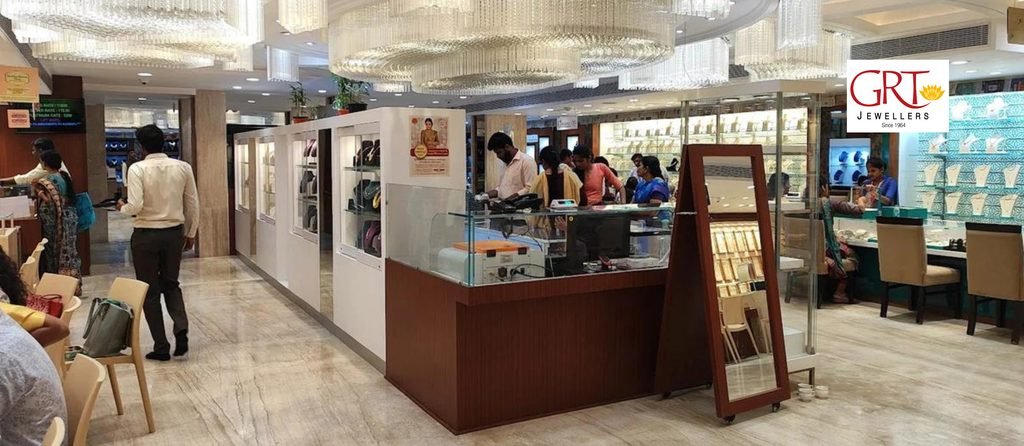
From its original Chennai location, GRT expanded into several important South Indian jewellery markets.
Its retail presence developed across:
- Tamil Nadu
- Karnataka
- Andhra Pradesh
- Telangana
- Puducherry
The expansion helped the company serve customers in multiple cities and develop a wider regional identity.
The importance of this expansion can be understood through the growth of organised jewellery retail in India.
Customers increasingly expected:
- Large and organised jewellery showrooms.
- Extensive product collections.
- Transparent purity and quality standards.
- Certified jewellery.
- Convenient payment options.
- Professional customer service.
GRT developed its retail presence around these changing expectations.
According to ICRA’s May 2026 report, the group operated 66 jewellery retail stores across five Indian states and one jewellery showroom in Singapore as of March 2026.
5. International expansion – GRT enters Dubai
A major milestone in GRT’s international journey came in 2015.
As part of its 50th-anniversary celebrations, GRT opened its first international showroom in Al Karama, Dubai, on 3 June 2015.
The showroom covered approximately 6,500 square feet.
This was an important move for a South Indian jewellery brand seeking to serve customers in international markets, particularly those with strong connections to Indian jewellery traditions.
The Dubai opening was attended by founder and chairman G. Rajendran and other senior management representatives.
GRT subsequently established a presence in Singapore as well.
The group’s international retail history has also evolved: ICRA’s May 2026 report states that its Dubai and Malaysia retail operations were closed during the pandemic, while its Singapore showroom continues to operate.
6. Jewellery collections – Tradition meets modern design
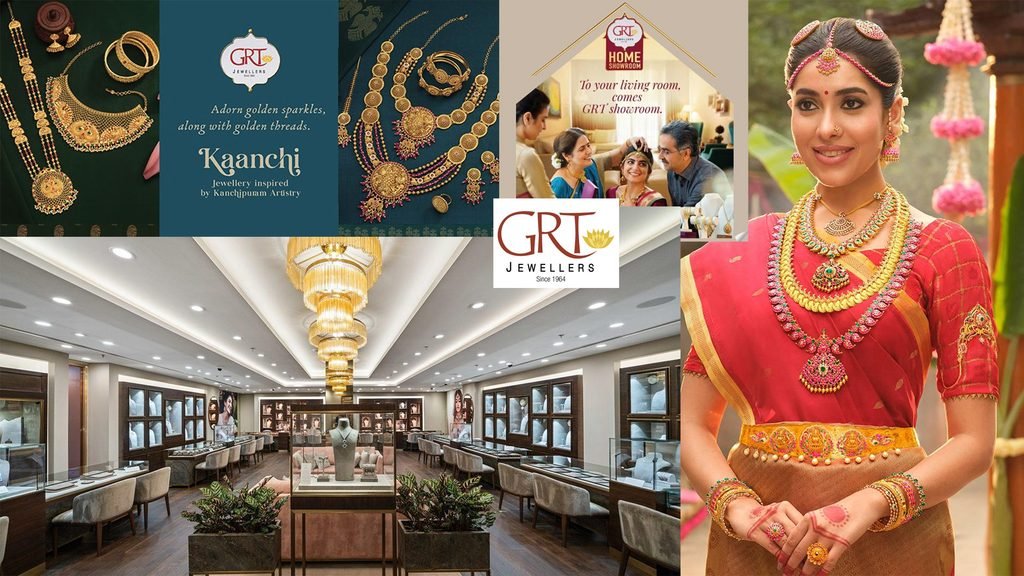
One of the strengths of GRT’s retail business is its combination of traditional jewellery styles and contemporary designs.
The company offers jewellery across several major categories.
Gold jewellery
Gold remains central to GRT’s identity. Traditional South Indian bridal jewellery, necklaces, bangles, earrings, chains and everyday ornaments form an important part of the product range.
Diamond jewellery
Diamond jewellery offers customers contemporary designs for engagements, weddings, celebrations and special occasions.
Platinum jewellery
Platinum collections cater to customers looking for modern jewellery, gifting and personal adornment.
Silver jewellery and silver articles
Silver jewellery, traditional silver articles and gifting products extend the company’s offerings beyond gold.
Traditional and bridal collections
South Indian jewellery traditions are particularly important to the GRT brand, including designs associated with weddings and auspicious occasions.
The company’s official product information identifies gold, diamond, platinum and silver among its principal jewellery categories.
7. Manufacturing and craftsmanship – Behind every ornament
The jewellery retail business is supported by a wider manufacturing ecosystem.
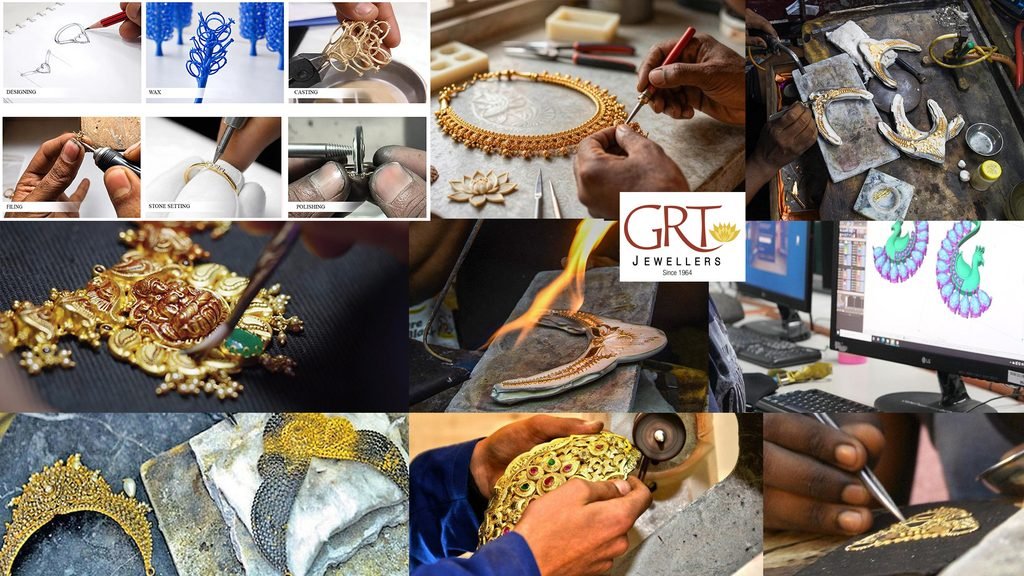
Behind every finished jewellery piece are several stages of work:
- Concept development and jewellery design.
- CAD modelling and design development.
- Wax or other model preparation.
- Casting and metal preparation.
- Filing and finishing.
- Stone setting and gemstone mounting.
- Polishing and quality inspection.
GRT’s 2015 international showroom announcement specifically referred to its own manufacturing unit.
The manufacturing capability is an important part of the group’s jewellery business because it connects design, production and retail.
Traditional craftsmanship remains particularly significant in South Indian jewellery, where intricate designs and detailed finishing are important customer preferences.
Industry note: The stages above describe the general jewellery manufacturing process, not a verified technical description of every GRT factory operation.gjepc.org+1
8. The GRT business ecosystem – Beyond jewellery retail
One of the most interesting aspects of the GRT story is its diversification into other business sectors.
Over time, the group developed interests beyond its original jewellery retail operations.
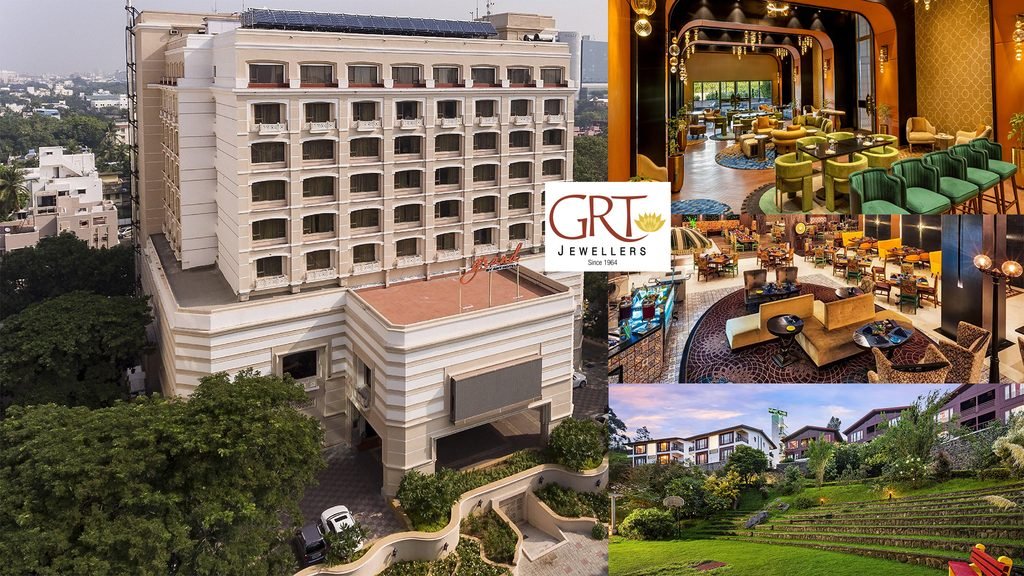
A. Hospitality – GRT Hotels & Resorts
GRT entered the hospitality industry in 1998.
According to the group’s official hotel history, its objective was to introduce a hotel offering five-star facilities at three-star prices.
The hospitality business subsequently developed into GRT Hotels & Resorts.
The division operates hotels, resorts and hospitality properties, bringing the group’s business identity into the travel and accommodation sector.
This diversification is particularly interesting because it demonstrates how a traditional jewellery entrepreneur expanded into a completely different customer-service industry.
B. Education – GRT educational institutions
Education represents another important dimension of the group’s activities.
GRT educational institutions were developed with a vision of providing modern and practical education.
The GRT Institute of Engineering and Technology is associated with the group’s educational initiatives.
Its educational activities reflect a wider interest in developing technical knowledge and supporting the next generation.
The institution’s official website provides information about its governing council and educational background.
C. Renewable energy – A new business dimension
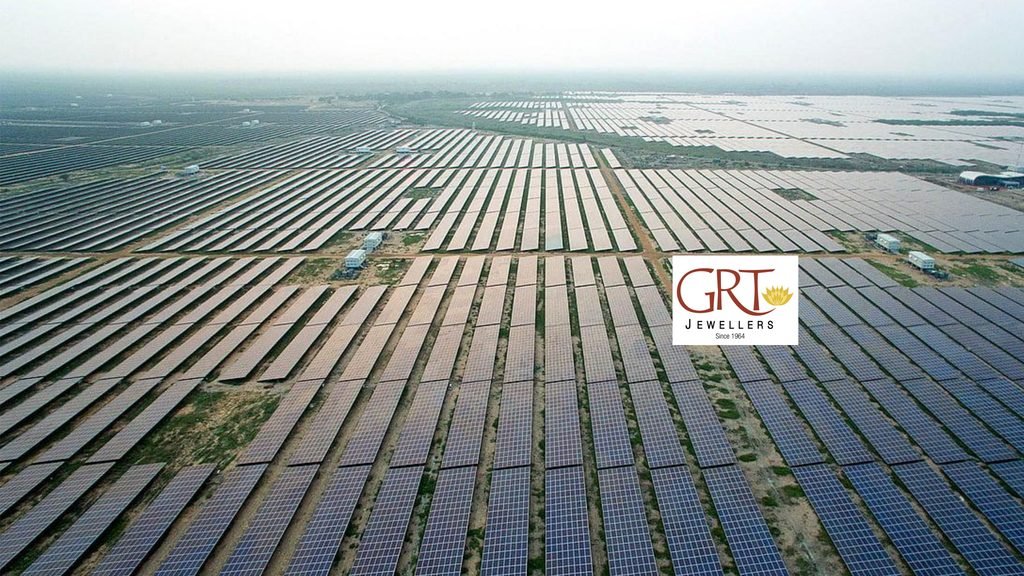
Renewable energy is another significant part of the group’s diversification.
ICRA’s December 2023 report identified commissioned renewable power capacity of 497.9 MW as of 31 December 2023.
Its May 2026 report continues to identify renewable energy as an important business segment.
This is a noteworthy development because it shows how the group’s business interests expanded from gold jewellery retail into infrastructure and energy-related activities.
The renewable energy business also represents a different kind of long-term investment compared with the traditional jewellery retail model. icra.in+1
D. Newer business interests
ICRA’s May 2026 report also identifies warehousing and a grain-based ethanol production project among the group’s newer business interests.
These developments indicate that the promoter family continues to explore business opportunities beyond its traditional jewellery and hospitality activities.
These should be understood as additional group-level ventures, rather than jewellery retail divisions. icra.in
9. Digital transformation – The modern GRT shopping experience
The Indian jewellery industry has changed significantly with the growth of digital commerce.
GRT has developed online shopping and digital customer-service facilities alongside its physical showroom network.
Its digital offerings include:
- Online jewellery shopping.
- Android and iOS mobile applications.
- Live video shopping consultations.
- Online product reservations.
- Store pickup facilities.
- Digital payment options.
- Jewellery purchase-plan facilities.
One particularly interesting service is GRT Live, which allows customers to browse jewellery through live video consultations.
The company also describes an omnichannel shopping experience in which customers can reserve products online and purchase them in a physical showroom.
According to its official website, the online catalogue includes gold, diamond, platinum and silver jewellery, silver articles, gold coins, gifts and gift vouchers. GRT Jewellers Private Limited.+1
10. GRT’s business structure – Understanding the group
GRT is not simply one jewellery shop operating under one business name.
ICRA’s credit assessments consider several interconnected business entities.
The 2025 report identifies the following principal jewellery-related entities:
| Business entity | Role in the group |
|---|---|
| GRT Jewellers (India) Pvt. Ltd. | Main jewellery retail company |
| G.R. Thanga Maligai | Traditional gold jewellery and retail |
| G.R. Thanga Maligai (Firm) | Customised jewellery business |
| G.R. Thanga Maligai & Sons | Jewellery business |
| GRT Silverwares | Silver-related business |
ICRA assesses these entities together because of their operational, managerial and financial relationships.
This structure is important for understanding the wider business behind the consumer-facing GRT brand. icra.in+1
11. GRT’s position in India’s organised jewellery industry
India is one of the world’s most important gold jewellery markets.
The industry includes:
- Traditional family jewellers.
- Regional jewellery chains.
- National jewellery retailers.
- Independent manufacturing jewellers.
- Luxury jewellery brands.
- Organised retail groups.
GRT’s position is particularly strong in South India, especially Tamil Nadu.
ICRA’s February 2025 assessment identified the group’s strong brand equity, significant Tamil Nadu market presence and established retail position as important strengths.
However, ICRA also noted geographical concentration, competitive pressure and regulatory risks as factors to monitor.
This is an important distinction: business success should be assessed through both market strengths and operational risks, rather than showroom count alone. icra.in
12. Important milestones – The GRT golden timeline
Here is a consolidated timeline based on available company and institutional records.
- 1964 – The beginningG. Rajendran establishes G.R. Thanga Maaligai in Madras (Chennai).
- 1998 – Hospitality expansionGRT enters the hotel and hospitality business.
- 2014 – Golden jubileeGRT celebrates 50 years of its jewellery business.
- 2015 – International expansionGRT opens its first international jewellery showroom in Dubai.
- 2023 – Renewable energy milestoneICRA reports 497.9 MW of commissioned renewable power capacity as of December 31, 2023.
- 2025 – Strong credit profileICRA upgrades GRT Jewellers (India) Private Limited’s long-term rating to AA (Stable).
- 2026 – Expanding business groupICRA reports 66 jewellery stores across five Indian states and one Singapore showroom as of March 2026, alongside other business interests.
GRT Jewellers Private Limited.+5
There are five important lessons from GRT’s journey.
1. A strong foundation in customer trust
Jewellery is a high-value purchase. Long-term confidence in quality, service and business reputation is essential.
2. Understanding regional jewellery traditions
GRT built a strong connection with South Indian jewellery preferences and family celebrations.
3. Generational leadership
The transition from founder G. Rajendran to his sons demonstrates the importance of family business continuity.
4. Retail expansion and changing customer expectations
The business developed from a single Chennai showroom into a multi-state retail network.
5. Diversification
The group expanded its interests into hospitality, education and renewable energy, demonstrating an entrepreneurial approach beyond traditional jewellery retail.
14. The future of GRT – A legacy that continues
The Indian jewellery industry is entering another important phase.
Customers are becoming increasingly interested in design innovation, certified jewellery, digital shopping, transparent purchasing experiences and contemporary bridal collections.
For established jewellery brands such as GRT, the challenge is to maintain the trust built over generations while adapting to these changes.
The next phase of GRT’s journey will be shaped by several important areas:
- Expansion into emerging jewellery markets.
- Modernisation of jewellery retail.
- Greater digital customer engagement.
- Product innovation and design development.
- Efficient manufacturing and inventory management.
- Sustainable business practices.
- Leadership continuity across generations.
GRT’s journey since 1964 demonstrates how a traditional jewellery enterprise can evolve while retaining its original identity.
15. Conclusion – Six decades of golden trust
From a modest jewellery shop in Chennai to a diversified business group, GRT Thanga Maaligai has built an important legacy in the Indian jewellery industry.
The vision of G. Rajendran, the leadership of his sons and the contribution of generations of employees, artisans and customers have all played a role in its development.
Its journey is not just about selling gold, diamonds or precious jewellery.
It is about understanding the emotional value of jewellery in Indian families, maintaining customer relationships and adapting a traditional business to a modern commercial environment.
1964 – One Vision.
Six Decades – Generations of Trust.
GRT – A Golden Legacy That Continues.
The story of GRT is a story of Indian entrepreneurship, family heritage and the evolution of organised jewellery retail.



 English (United States)
 English (UK)