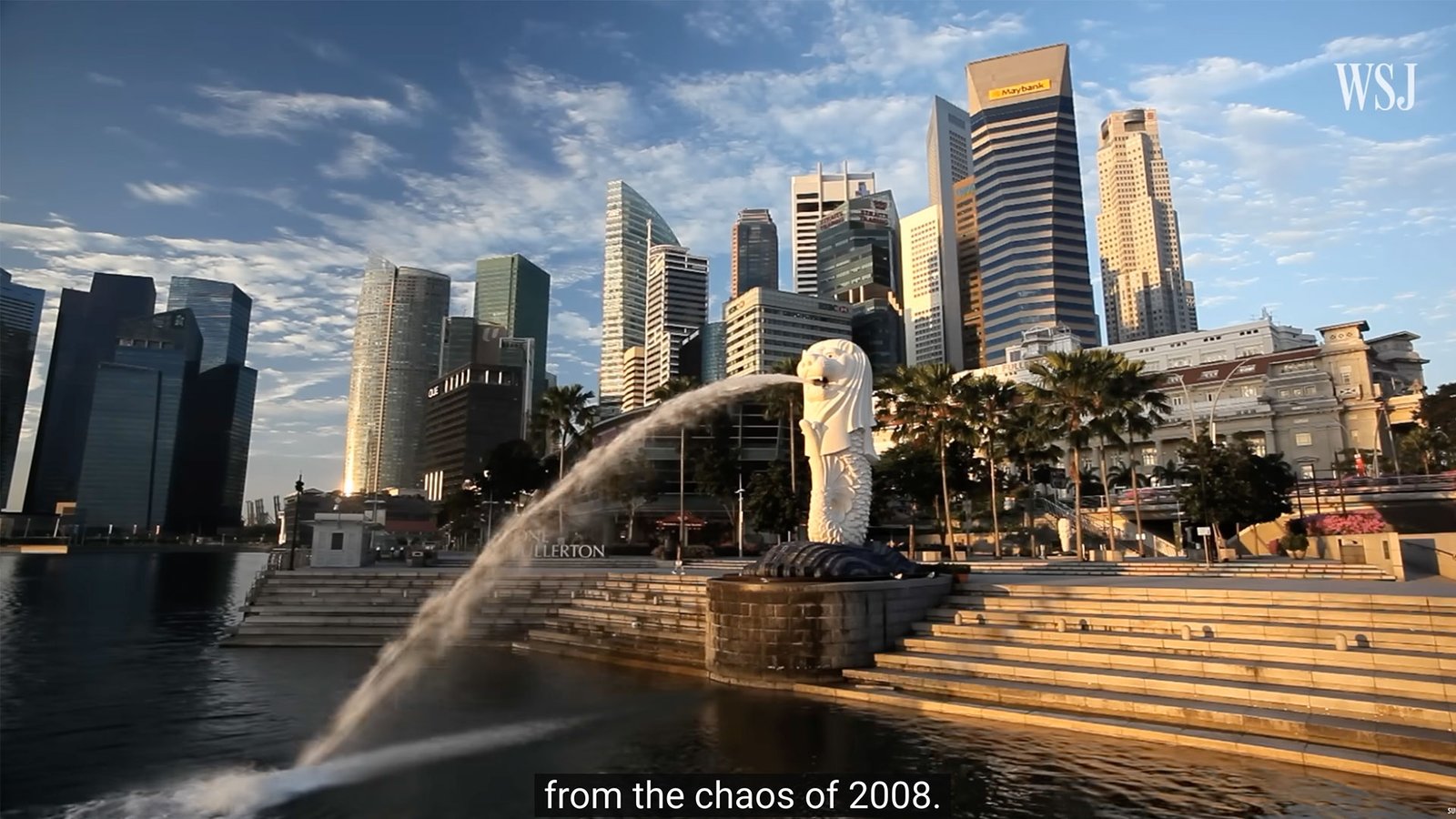

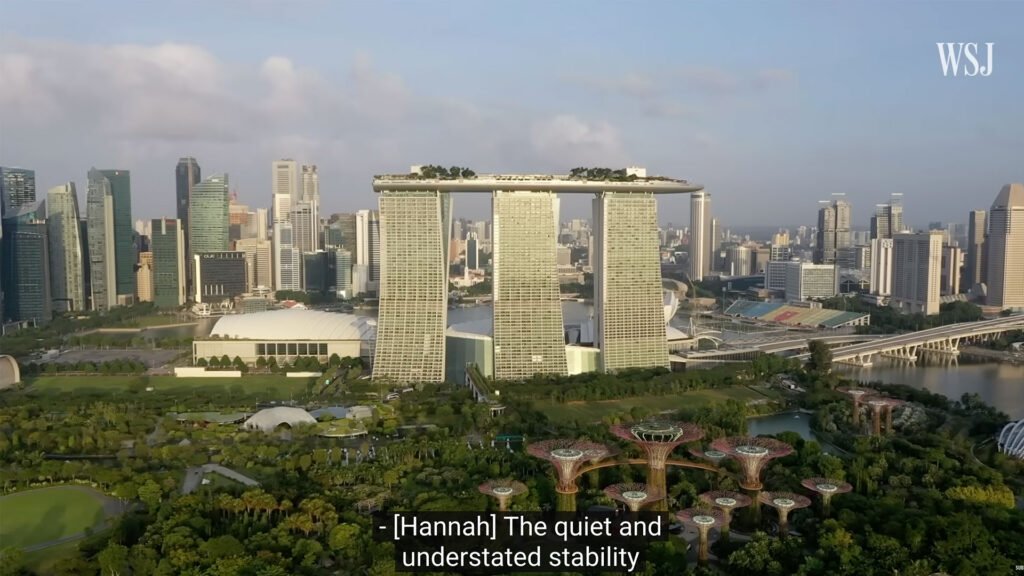
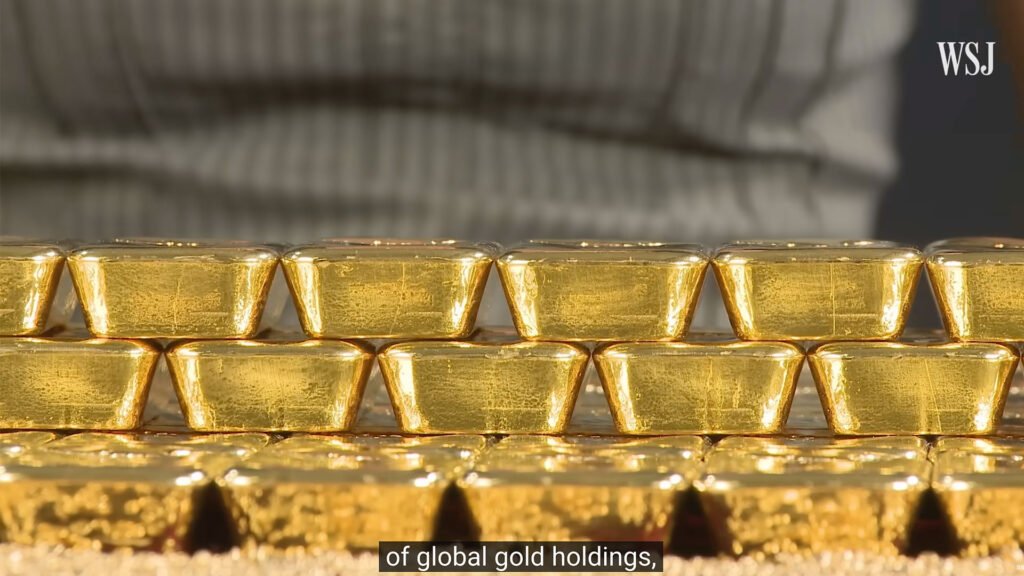
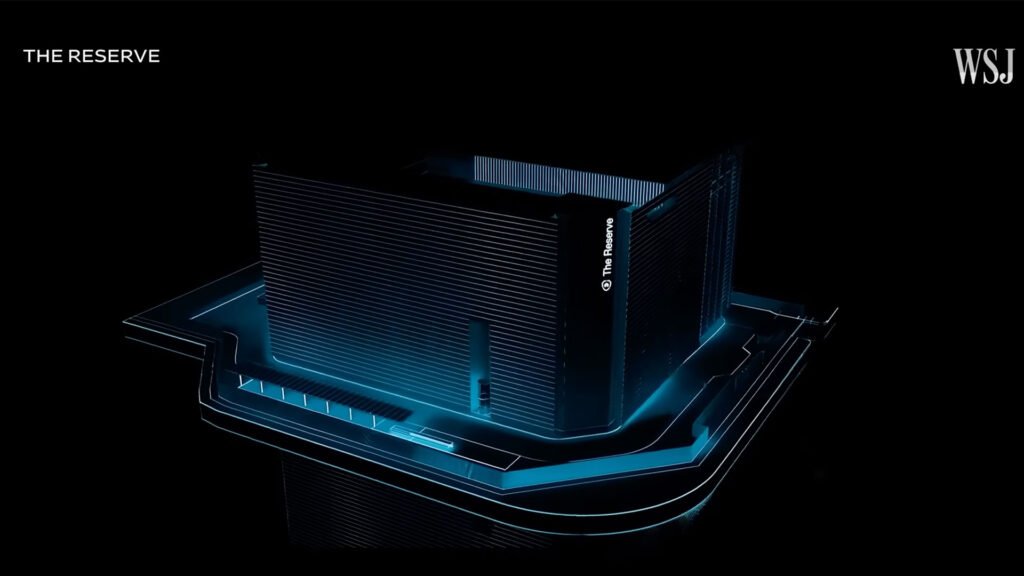
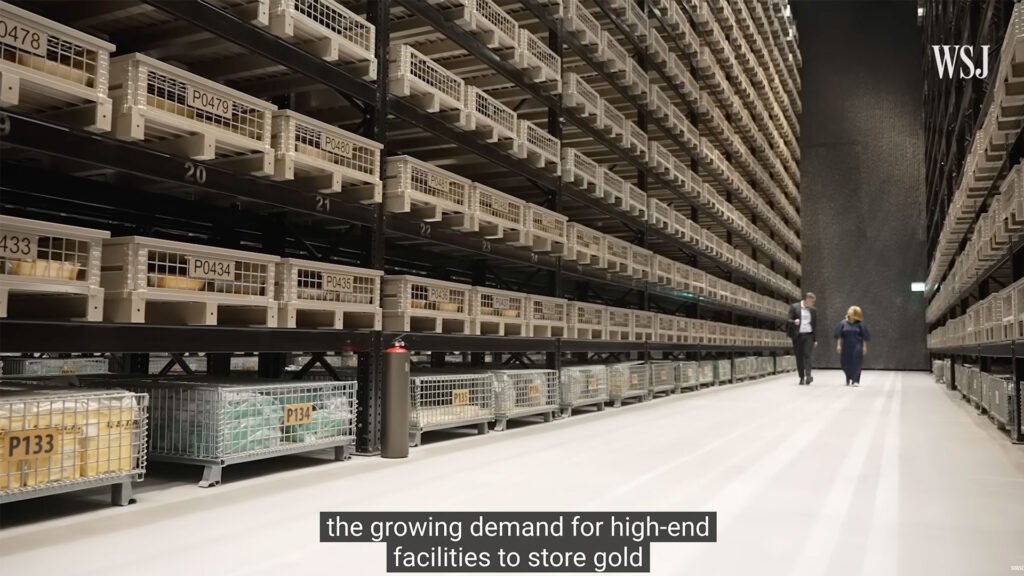
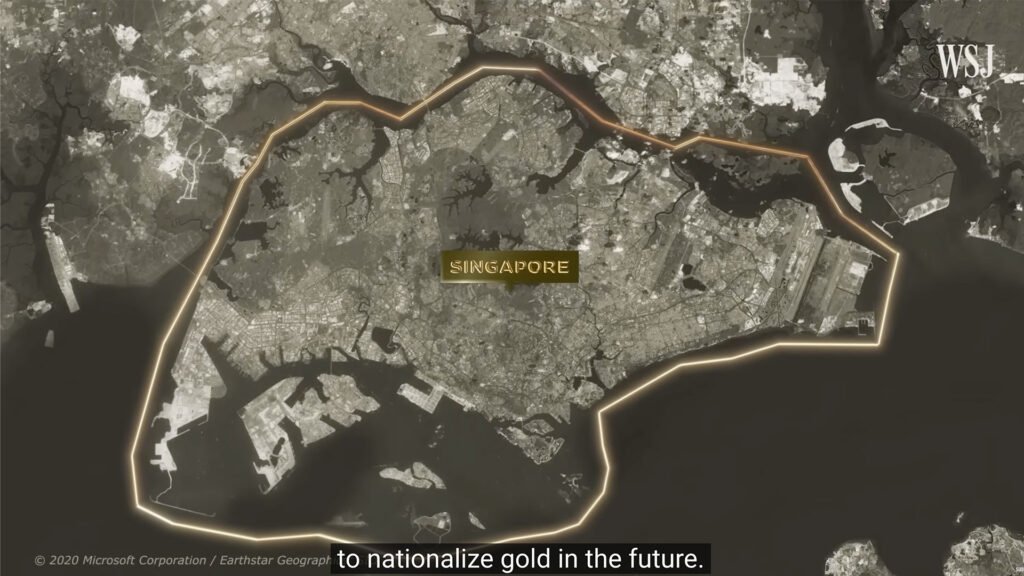
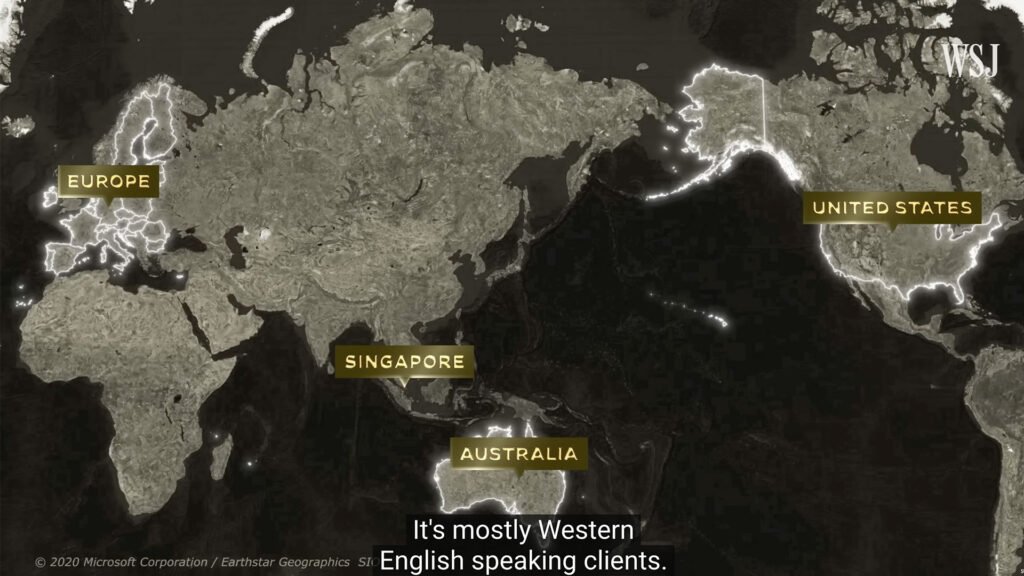
As gold prices surge to a record $4,000, more of the world’s wealthiest from places like Europe, the U.S. and Australia are storing their gold in Singapore in vaults like The Reserve. Located near Changi Airport, this massive vault can store up to 500 tons of gold, worth about $64 billion. But why are people increasingly turning towards Singapore to store their wealth? The WSJ secured rare access inside one of the world’s largest bullion valts–part of Singapore’s drive to become a global gold hub.
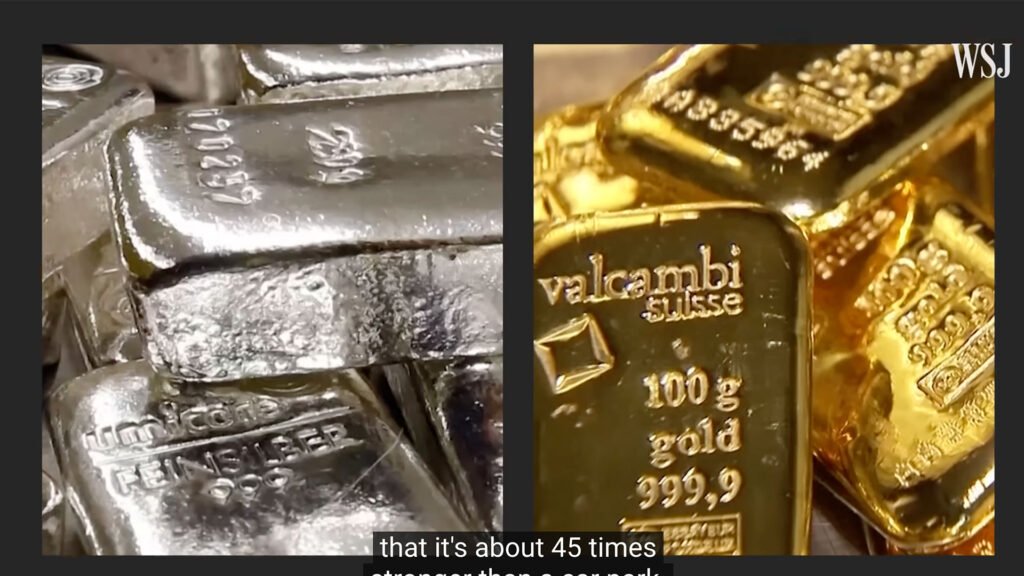
The world’s wealthiest individuals are increasingly moving their gold to Singapore due to a combination of geopolitical, financial, and regulatory factors. This trend has accelerated recently as investors seek “safe-haven” jurisdictions outside of traditional Western financial centers.
The primary reasons for this shift include:
1. Geopolitical Neutrality and Stability
- Safe Haven from the West: Amid rising tensions between the US and China and instability in Europe, many high-net-worth individuals (HNWIs) are diversifying away from traditional hubs like London, New York, and Switzerland.
- Political Neutrality: Singapore maintains a reputation for being politically neutral and having a stable, predictable government, which reduces the risk of assets being frozen or seized due to international sanctions or domestic political shifts.

2. Robust Legal Framework & Ownership Rights
- Rule of Law: Singapore has one of the strongest legal systems globally, with clear and strictly enforced private property laws.
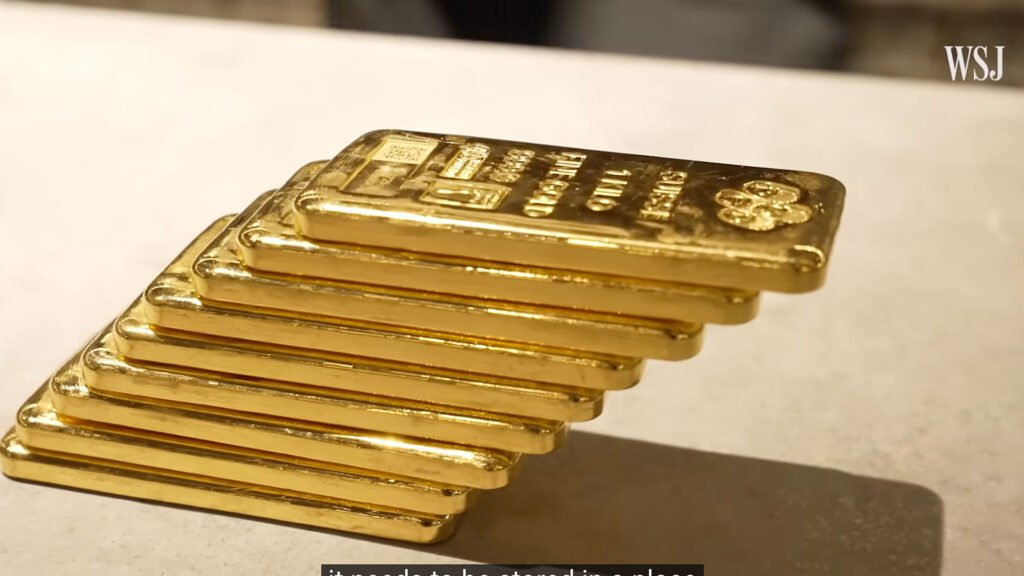
- Legal vs. Beneficial Ownership: Facilities in Singapore often emphasize “legal ownership” where specific, serial-numbered bars are the property of the client, rather than “beneficial ownership” where gold is held on a bank’s balance sheet. This protects the gold from being used as collateral by the storage provider or being affected if the provider goes bankrupt.
3. Tax Incentives
- Tax-Free Status: Since 2012, Singapore has exempted investment-grade precious metals (IPM) from the Goods and Services Tax (GST).
- No Capital Gains or Wealth Tax: There are no capital gains taxes, gift taxes, or inheritance taxes in Singapore, making it highly efficient for intergenerational wealth transfer.

4. Advanced Security Infrastructure
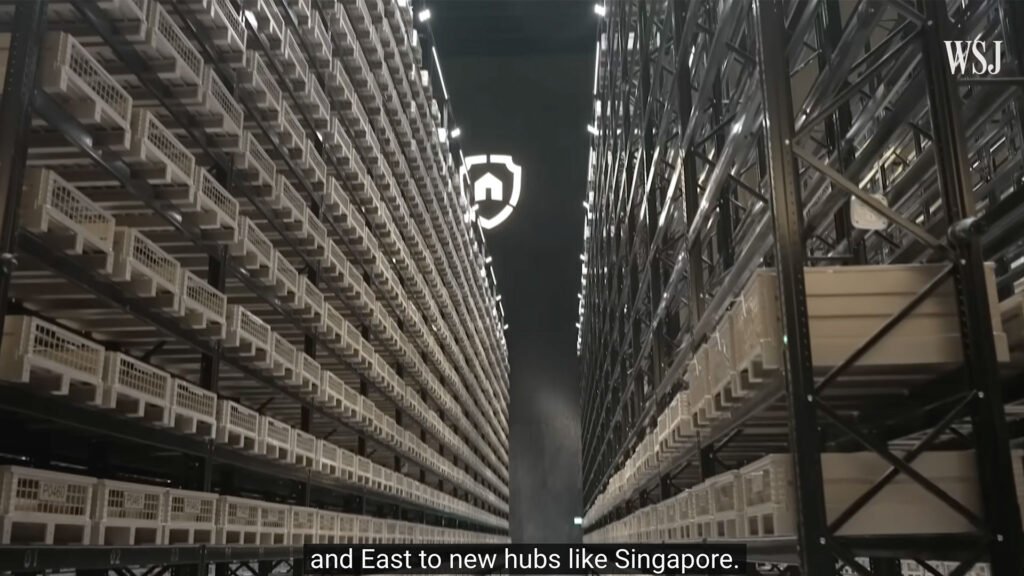
- “Asia’s Fort Knox”: The city-state is home to world-class facilities like Le Freeport and The Reserve. These are ultra-secure, high-tech vaults equipped with iris scanners, mantraps, and layered security systems.
- Physical Protection: Beyond its technology, Singapore is considered one of the safest countries in the world with extremely low crime rates and a strong military deterrent.
5. Shift to Physical Assets
Liquidity: Despite being a high-security hub, Singapore is also a major trading center, allowing investors to buy, sell, or even take loans against their vaulted gold quickly and efficiently.

Hedging Systemic Risk: Wealthy investors are moving away from “paper gold” (ETFs or certificates) toward physical bullion to avoid counterparty risk. If a banking crisis occurs, physical gold stored in a private vault remains accessible even if the banking system is paralyzed.
In short, the wealthy are sending gold to Singapore because it offers a “Triple Crown” of security: physical safety (low crime/strong military), legal safety (clear property rights), and financial safety (tax-free and outside the reach of Western jurisdictional risks).

Source: The Wall Street Journal
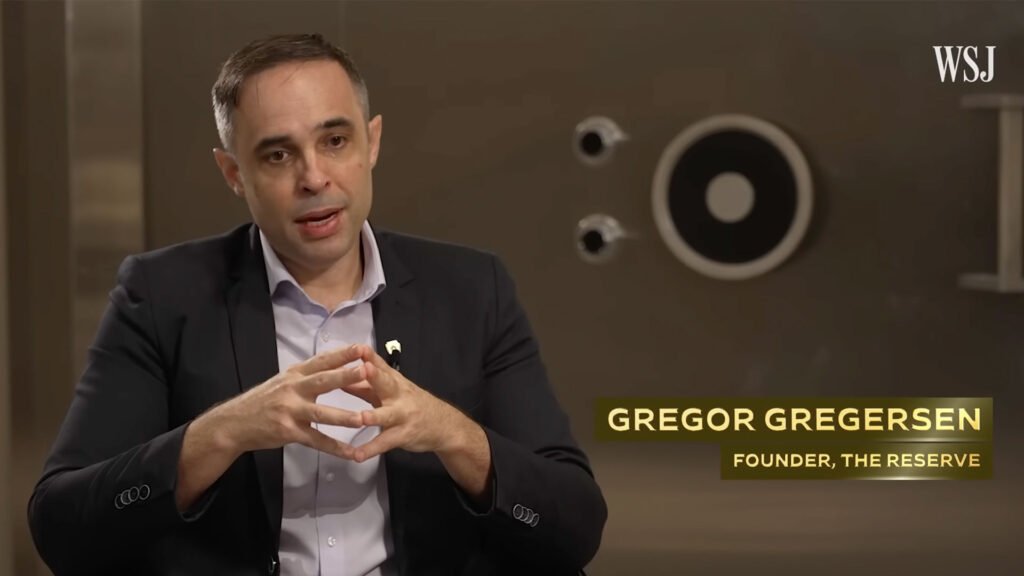
Gregor Gregersen is a German-born entrepreneur and the founder of Silver Bullion and The Reserve, a massive, high-security vaulting facility in Singapore. He is widely recognized for his “systemic wealth protection” philosophy, which advocates for holding physical assets outside of the traditional banking system.
Background and Motivation
- The 2008 Catalyst: Before entering the precious metals industry, Gregersen was a Senior Data Architect for Commerzbank in Frankfurt. Witnessing the collapse of Lehman Brothers and the fragility of the global financial system firsthand led him to believe that the modern economy is a “house of cards” built on unsustainable debt and complex derivatives.
- Move to Singapore: Seeking a jurisdiction with strong property rights and a stable government, he moved to Singapore in 2009. He was famously inspired by Lee Kuan Yew’s book, From Third World to First.
- Early Days: He started Silver Bullion in 2009. In the beginning, he reportedly stored silver bars under his bed and met customers at local MRT (subway) stations to conduct business before the company grew into a major international player.
Key Ventures
1. Silver Bullion Pte Ltd
Founded in 2009, this company focuses on the transparent trading and storage of physical gold, silver, and platinum.Gregersen’s model emphasizes segregated ownership, meaning clients own specific, serial-numbered bars rather than “paper gold” or shared interests.
2. The Reserve
Completed in 2024, The Reserve is Gregersen’s most ambitious project to date:
- Scale: A 180,000-square-foot mega-vault in Changi, Singapore.
- Capacity: It is designed to hold up to 15,000 metric tons of silver (roughly 28% of the world’s known above-ground silver) and 500 tons of gold.
- Unique Design: Because silver is much bulkier than gold, the building features massive reinforced foundations (floor loading 45 times stronger than a typical parking garage) to allow silver to be stacked 12 meters high.
- Asset Diversification: Beyond precious metals, the facility is designed to store other high-value “hard assets” like rare earth metals, art, and luxury watches.
Core Philosophy
- Counterparty Risk: Gregersen argues that “if you don’t hold it, you don’t own it.” He believes that in a true systemic crisis, bank-held assets and ETFs may be subject to defaults or government nationalization.
- Jurisdictional Safety: He promotes Singapore as the ultimate “neutral ground,” free from the overreach of Western capital controls or potential gold seizures.
- Transparency: He has implemented advanced “proof of storage” protocols, including chemical testing (DDA) to ensure every bar in his vault is authentic, addressing a common fear of “salted” or fake bullion in the industry.
Summary of Influence
Gregersen has transitioned from a tech specialist in the banking world to a leading voice in the “hard money” movement. He is essentially the architect of a private, parallel financial infrastructure designed to survive a total collapse of the traditional global banking system.



 English